October 14, 2026
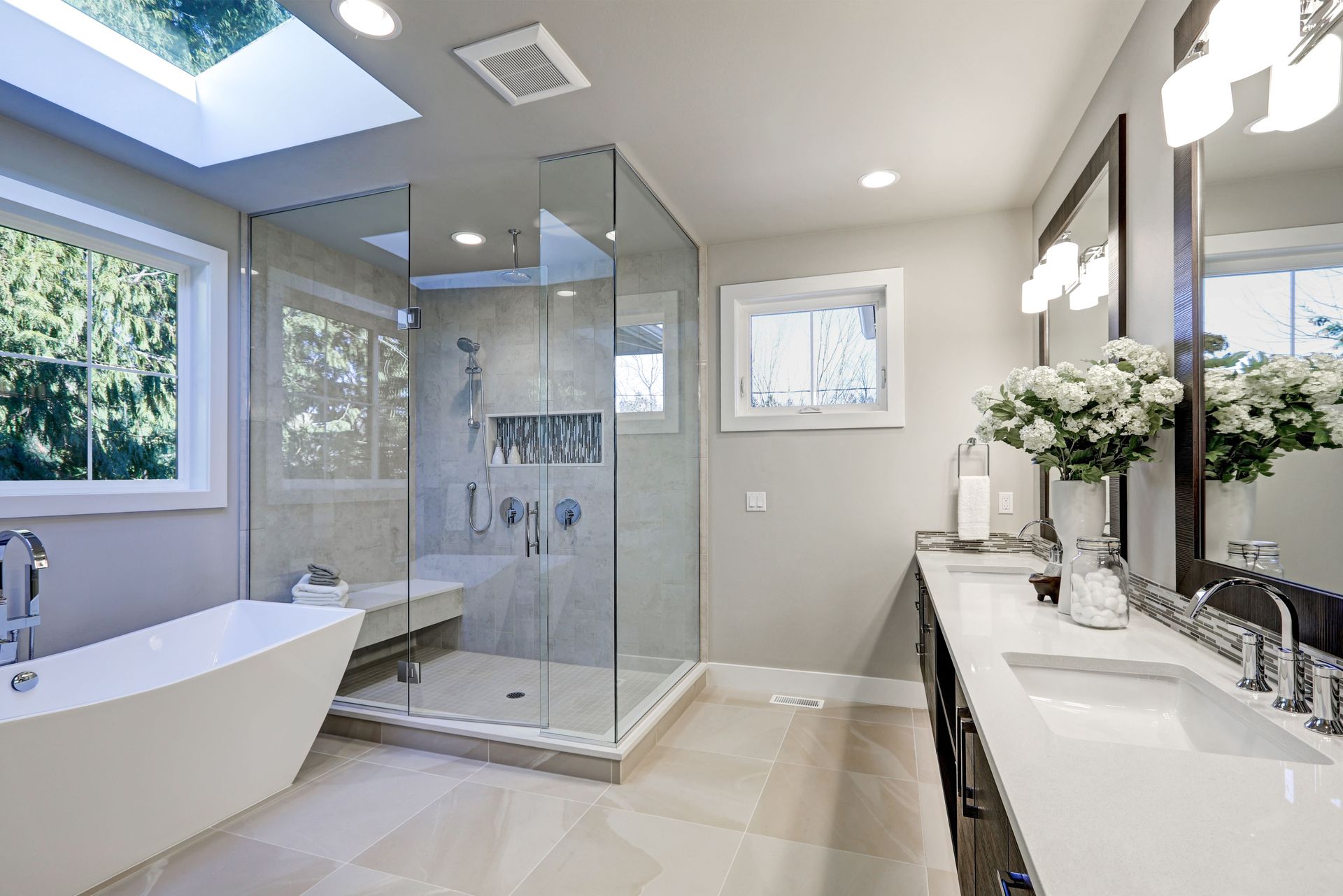
Bathroom remodeling is an exciting yet challenging project that requires careful planning and a well-thought-out budget. Let's take a moment to explore some smart budgeting tips to help you effectively manage your funds and achieve the bathroom of your dreams without breaking the bank. From understanding your needs, to exploring cost-effective solutions with a bathroom remodeling contractor, these strategies can guide you through maintaining your budget while achieving an outstanding remodel.
1. Understanding Your Needs and Setting Realistic Goals
Assessing the Current State of Your Bathroom
Begin your remodeling project by assessing the current condition of your bathroom. Identify elements that need repair or replacement, such as outdated tiles or malfunctioning fixtures. Recognizing these issues will help you focus your remodeling efforts where they're most needed.
It's also essential to understand the existing layout and what changes would be necessary to improve functionality. Evaluate the spatial limitations of the room to make practical and cost-effective design choices.
Determining Must-Haves vs. Nice-to-Haves
As you plan your bathroom remodel, distinguish between must-have elements and nice-to-have features. Must-haves are essential components that address critical issues or significantly enhance usability, such as quality plumbing or adequate lighting. In contrast, nice-to-haves might include luxurious finishes or spa-like features that are not essential but could enhance the experience.
This differentiation is vital for prioritizing expenses and ensuring that the budget covers essential parts first. Allocating funds wisely means you achieve a functional upgrade without compromising on quality.
Establishing a Project Scope and Budget
Set a clear scope for your project to prevent scope creep, which often leads to unforeseen expenses. Determine the extent of your remodeling, from minor updates to a complete overhaul, and allocate funds accordingly.
Creating a realistic budget based on your project's scope is crucial in avoiding financial strain. It's beneficial to conduct market research to understand ballpark costs for labor and materials. Don't forget to include a buffer for unexpected costs, ensuring flexibility within your financial plan.
Setting Priorities for Remodeling Elements
After assessing your needs and setting a budget, prioritize the elements of remodeling that provide the most substantial impact. List the components in order of importance and allocate resources to those with the highest priority.
For instance, structural or plumbing issues should take precedence as they lay the foundation for other aesthetic changes. This priority list keeps your project focused and your budget aligned with your goals. Maintaining discipline with spending ensures that must-have improvements aren't compromised for less important enhancements.
Creating a Timeline for Your Project
Constructing a detailed timeline helps manage expectations and streamlines the remodeling process. Break down the project into phases, each with its deadline, to keep the project on track and minimize delays. Factor in time for potential setbacks, such as delivery delays or contractor availability.
A well-planned timeline can also help avoid premium costs that arise from rushed decisions or last-minute changes. Communicating this timeline with a bathroom remodeling contractor ensures smooth coordination and project flow.
2. Exploring Cost-Effective Design Solutions
Choosing Timeless Designs and Materials
For a cost-effective remodeling project, choose timeless designs and materials that won't require frequent updates. Classic styles offer enduring appeal and reduce the need for future modifications, saving money in the long run. Seek durable materials that stand up to wear and tear, such as ceramic tiles and solid countertops. The investment in quality ensures both aesthetic and structural longevity. This approach maximizes the return on investment by extending the life of upgraded elements.
Maximizing Space With Smart Layout Choices
Make smart layout choices that maximize your available space without unnecessary costs. Consider rearranging existing fixtures rather than a full-scale remodeling to save on labor and installation expenses. According to This Old House, labor costs can account for 40% to 50% of your total bathroom remodeling budget. Therefore, minimizing structural changes keeps a significant portion of the budget intact. Employing space-saving solutions, like wall-mounted vanities or recessed shelving, can enhance functionality without major construction work.
Optimizing Lighting and Fixtures for Efficiency
Lighting plays a crucial role in the functionality and ambiance of a bathroom. Opt for energy-efficient LED lighting to reduce utility bills while providing ample illumination. Smart fixtures that incorporate water-saving technology further enhance the efficiency and sustainability of your space. Adjustable lighting options can adapt to different moods and tasks, increasing the room's versatility. By choosing energy-efficient solutions, you contribute to long-term savings and environmental stewardship.
3. Selecting Affordable and Durable Materials
Understanding Material Costs and Longevity
Material selection is pivotal to both the aesthetics and durability of your bathroom remodel. Understanding the cost-to-life ratio of various materials helps in making cost-effective choices that don't compromise on quality.
For example, while natural stone countertops are beautiful, they require more maintenance, whereas engineered stone offers durability at a lower price point. Comparing these costs with expected longevity allows for informed decision-making. This balance ensures a smart investment that holds up over time.
Comparing Alternative Material Options
Exploring alternative material options opens possibilities for achieving desired visuals within budget constraints. Vinyl flooring, for instance, can mimic the look of more expensive materials like wood or stone without the hefty price tag. Similarly, laminate countertops provide an affordable alternative to traditional surfaces, offering a variety of styles and colors.
Weigh these alternatives against high-end materials to determine the best fit for your budget and design vision. Opting for feasible substitutes ensures style and savings are both achieved.
Selecting Budget-Friendly Flooring Solutions
Flooring is a significant component of any bathroom remodel, often constituting a large portion of the budget. Budget-friendly solutions like ceramic or porcelain tiles offer durability and water resistance at an accessible price. These types of flooring come in diverse styles, allowing for aesthetic customization without excessive expense.
It's worth comparing prices across different suppliers and timing purchases during sales for additional savings. This strategic purchasing can improve cost efficiency without compromising on design quality.
Choosing Cost-Effective Countertops and Cabinets
Cabinetry and countertops can eat up a significant part of a remodeling budget if not chosen wisely. Consider less costly materials like laminate or quartz, which still provide a sleek, modern appearance.
Pre fabricated options are often less expensive than custom solutions and can offer similar benefits. Balance durability, cost, and aesthetics to ensure that your selections meet practical needs without breaking the bank. Affordable choices still allow for a polished, high-end look with mindful selection.
4. Hiring the Right Professionals Within Your Budget
Researching Contractors and Obtaining Quotes
Finding the right bathroom remodeling contractor is essential for a successful remodel within budget. Begin by researching potential candidates and obtaining several quotes to compare pricing and services offered. Look beyond the initial price; cheap estimates may lead to costly complications later. Ensure contractors are licensed and have good track records to establish confidence in their reliability. Accurate quotes will aid in aligning the budget with expected service outcomes.
Evaluating Contractor Portfolios and References
Before hiring, evaluate bathroom remodeling contractor portfolios to assess their style and quality control in past projects. Ask for references to verify their success and professionalism in completed jobs. Previous customers can provide insights into the contractor's work ethic and reliability, aiding in a more informed decision. A robust portfolio will showcase their ability to deliver on your design aspirations. This due diligence is crucial in ensuring you hire someone aligned with your budget and vision.
Negotiating Contracts and Project Terms
Negotiating contracts and project terms can lead to significant savings without sacrificing quality. Insist on clear terms regarding timelines, payment schedules, and deliverables before starting any work. Review the contract for hidden clauses that may incur extra costs for minor changes. Leverage multiple quotes to negotiate better deals with trusted contractors. A detailed and fair contract ensures you get value for money and control over your budget.
Embarking on a bathroom remodeling project on a budget is a manageable and rewarding endeavor if approached with the right strategies. By understanding your needs, selecting cost-effective designs, and effectively managing your resources, you can transform your bathroom into a beautiful and functional space without overspending. For more helpful tips, talk to a bathroom remodeling contractor at Revest Construction LLC today!